- Wellness Roll Up
- Posts
- Sleep Tracker Deep-Dive! Dr. Matthew Walker Compares Whoop, Oura, Apple Watch, Fitbit, & More!
Sleep Tracker Deep-Dive! Dr. Matthew Walker Compares Whoop, Oura, Apple Watch, Fitbit, & More!
Sleep expert Dr. Matthew Walker reveals how sleep trackers really work, where they fall short, and how to use them to actually sleep better. 💤

Dr. Bones
October 20, 2025
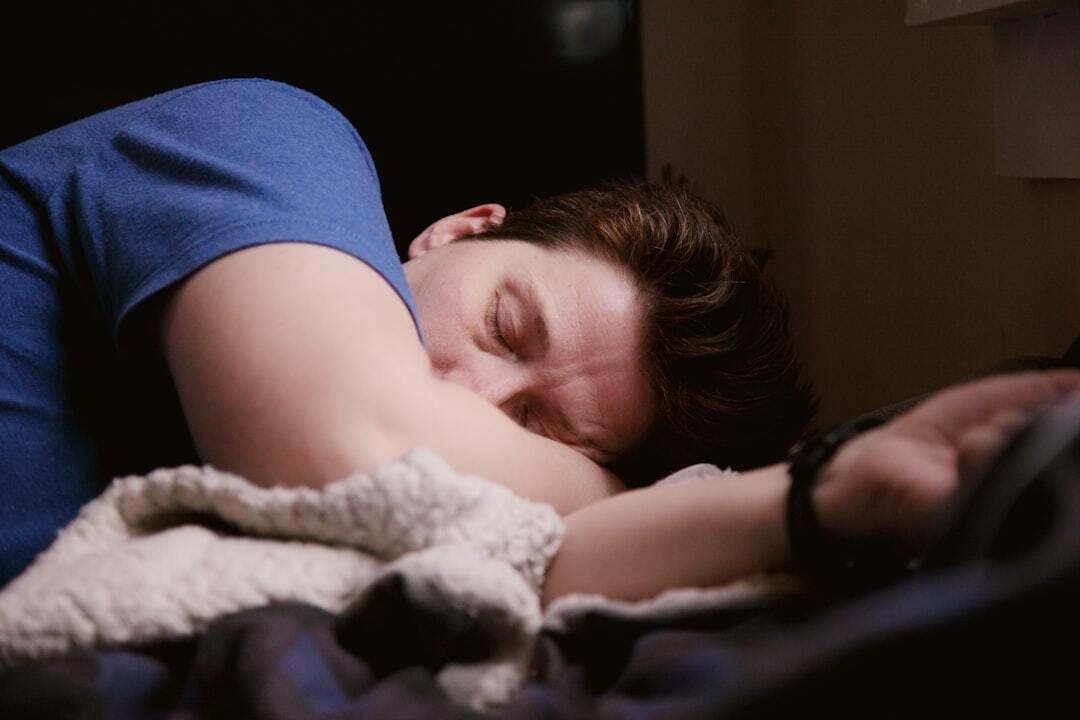
😴 How sleep trackers actually work (and why that matters) 💤
Modern wearables combine a few key sensors:
Motion (accelerometer/gyroscope): the backbone for sleep vs. wake.
Optical heart sensors (PPG): derive heart rate and heart rate variability (HRV); steady and slow = deeper NREM, erratic = REM.
Respiratory rate: inferred from PPG or measured directly in under-mattress sensors.
Extras: skin temperature (circadian patterns, illness signals) and, in some devices, electrodermal activity (sweat changes linked to arousals and breathing issues).
All of those signals feed machine-learning models trained against clinical sleep studies (polysomnography) scored in 30-second “epochs.”
The three accuracy terms you should know 🤔
Sensitivity: how well a device detects sleep when you’re truly asleep. Great in most wearables (often ~95%).
Specificity: how well it detects wake when you’re awake. This is where many devices struggle (often ~30–50%), which means they overestimate total sleep and underestimate time awake.
Overall accuracy: combined performance; good devices land ~85–90% for sleep vs. wake, lower when splitting sleep into light, deep, REM.
Absolute vs. relative accuracy—why trends beat
Even top devices aren’t perfect nightly, but they’re consistent over time. Ignore single-night blips—focus on weekly or monthly trends. Real shifts (e.g., less deep sleep, higher HR, rising temperature) signal meaningful changes.
How major devices stack up (high level)
Oura Ring: Among the most validated consumer wearables. Very strong sleep/wake, solid stage classification without obvious bias toward any stage. Good temperature tracking for circadian signals.
Apple Watch: Excellent at detecting sleep vs. wake, but weaker at staging (often confuses deep with light). Promising direction for health features overall; expect improvements over time.
WHOOP: Strong heart/HRV accuracy; earlier staging less competitive, though algorithm updates continue to narrow the gap. Great for training/recovery framing.
Ultrahuman Ring: Popular UX, but limited independent validation so far.
Happy Ring (Happy Sleep): FDA-cleared for sleep apnea detection; uses a personalized algorithm and electrodermal activity. Research cited reports unusually high sensitivity + specificity for both sleep/wake and staging. Currently more clinical in positioning but signals the future: personalized models > one-size-fits-all.
Eight Sleep (smart topper): Convenient “set-and-forget” form factor with accurate HR/respiratory metrics; independent staging validation still developing.
Phone apps (e.g., Sleep Cycle): Better than nothing for sleep/wake patterns and habit tracking, but not reliable for detailed staging.
Choosing the “best” sleep tracker (spoiler: comfort wins) 🛌🏻
The best tracker is the one you’ll wear nightly. Form factor trumps tiny accuracy differences. Rings and mattress toppers are easiest to live with; watches or bands can feel intrusive for some. If it sits in a drawer, it’s 0% accurate.
Known limitations and biases
Skin tone & BMI: Optical PPG can be less accurate on darker skin tones and higher BMIs unless the device and training data address this—expect more noise; trends still help.
Shift workers / irregular sleep: Algorithms assume nighttime sleep; off-schedule sleep reduces accuracy. Lean even more on subjective feel + consistent routines.
Over-focusing (orthosomnia): Obsessing over scores can raise anxiety and harm sleep. If this sounds like you: check data weekly, not daily—or take a break and address insomnia with CBT-I strategies.
Turn your tracker into a health tool: the most actionable takeaways
Chase trends, not trophies. Track 4–8-week trends in time asleep, deep/REM proportion, resting HR, HRV, and temperature. Sudden, persistent shifts often reflect real stressors (illness, overtraining, late caffeine, alcohol, travel).
Time your routine by physiology.
Wind-down: dim lights and screens 60–90 minutes pre-bed; watch how resting HR drops faster and sleep latency improves across weeks.
Exercise: earlier is generally better for sleep quality; avoid high-intensity sessions within ~3–4 hours of bed if they elevate your nightly HR/latency.
Caffeine cutoff: move it earlier (e.g., before 12–2 pm) and see whether awakenings/time awake decrease.
Alcohol: even “a drink or two” raises HR and suppresses REM. Log it honestly to connect the dots with next-day feel.
Temperature is a cheat code. Lower bedroom temp (~17–19°C / 63–66°F) or use a cooling topper. You should see faster HR drop, fewer awakenings, and more deep sleep over time.
Anchor your circadian rhythm. Consistent wake time (yes, weekends) + morning light exposure = better sleep efficiency and steadier HRV. Your tracker should show improved regularity within 1–2 weeks.
Score isn’t gospel—pair with how you feel. If the score is “meh” but you feel great (or vice versa), weight subjective energy, mood, focus, and workout quality alongside data. Adjust habits based on the combo.
Watch for red flags.
Loud snoring, choking, gasping, or high apnea-risk indicators in your data → talk to a clinician; FDA-cleared tools (like Happy Ring) can streamline diagnosis.
HRV trend down + resting HR trend up for >1–2 weeks → consider deloading training, stress reduction, earlier meals, or lighter evenings.
Make your device bias work for you. Since many trackers overestimate sleep, focus less on exact minutes and more on consistency (same bedtime/wake time) and directional changes after habit tweaks.
Avoid orthosomnia. If checking stats triggers anxiety, batch-review weekly. Use the long view to guide lifestyle, not to judge last night.
Bottom line
Sleep trackers are behavior guides, not medical tools (except apnea devices). Use them to test habits—like earlier caffeine cutoffs or cooler rooms—and track trends in HR, HRV, and sleep quality. Choose a device you’ll use nightly, treat scores as feedback, and follow long-term patterns for better sleep and health.
👉 Subscribe to Wellness Roll Up for more science-backed tools.